By Beto Marcelino, Co-Founder of iCities
The importance of ESG practices when promoting large-scale events
By Beto Marcelino, Co-Founder of iCities
The term ESG: Environmental, Social, and Governance is far more than a collection of letters. It is a call to action that challenges organizations to take on a leading role in shaping a better world. By adopting sustainable practices, companies not only reduce their environmental footprint but also promote more inclusive and humane workplaces, strengthen community bonds, uphold ethics and transparency, and build a legacy that resonates with people far beyond the bottom line. In my view, these are seeds for the future, planted today so that the next generations may harvest their fruits.
At iCities, we see the Smart City Expo Curitiba as more than an event; it is a movement that reaffirms our commitment to building a better tomorrow, one that is being built collectively, by those willing to reflect and act with purpose. The mission of the event is to help transform cities into more intelligent, sustainable, and socially responsible places. None of this can be fully achieved without being guided by ESG principles. That’s why, for this 6th edition, we’ve taken our ESG program to the next level through a partnership with the consultancy Impactability.
More than defending an idea, it is essential to deliver tangible results, and this year’s edition proved that our commitment brings measurable benefits. Welcoming 22,000 people from across Brazil and the world has undeniable impacts, which go from travel, food, lodging, and more. Therefore, it is crucial to thoroughly identify, anticipate, and neutralize each of these impacts with a strategic fit.
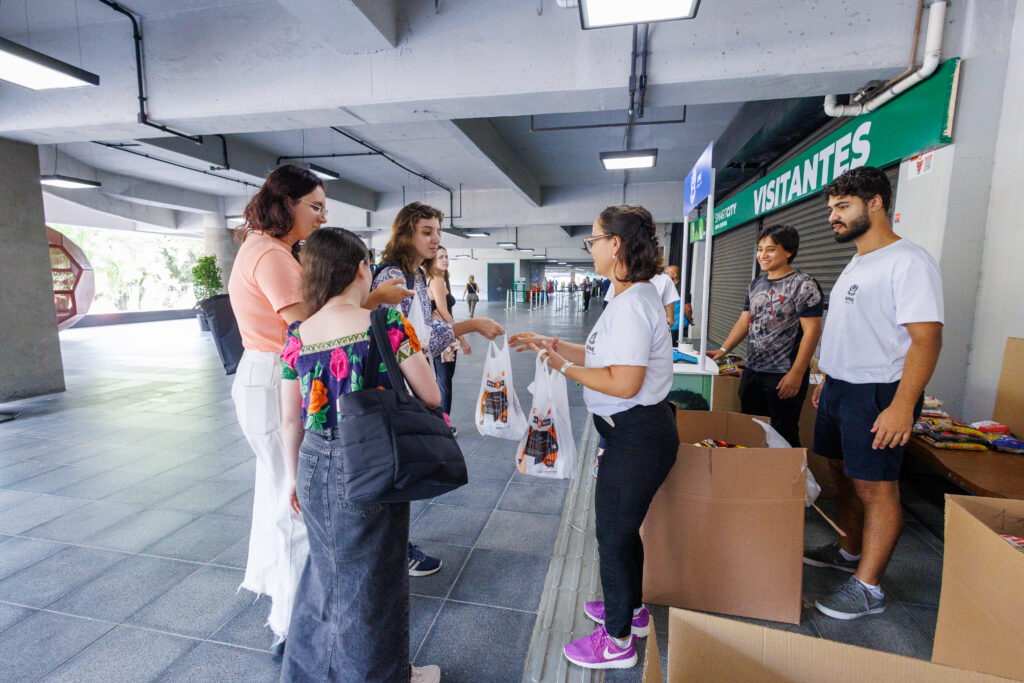
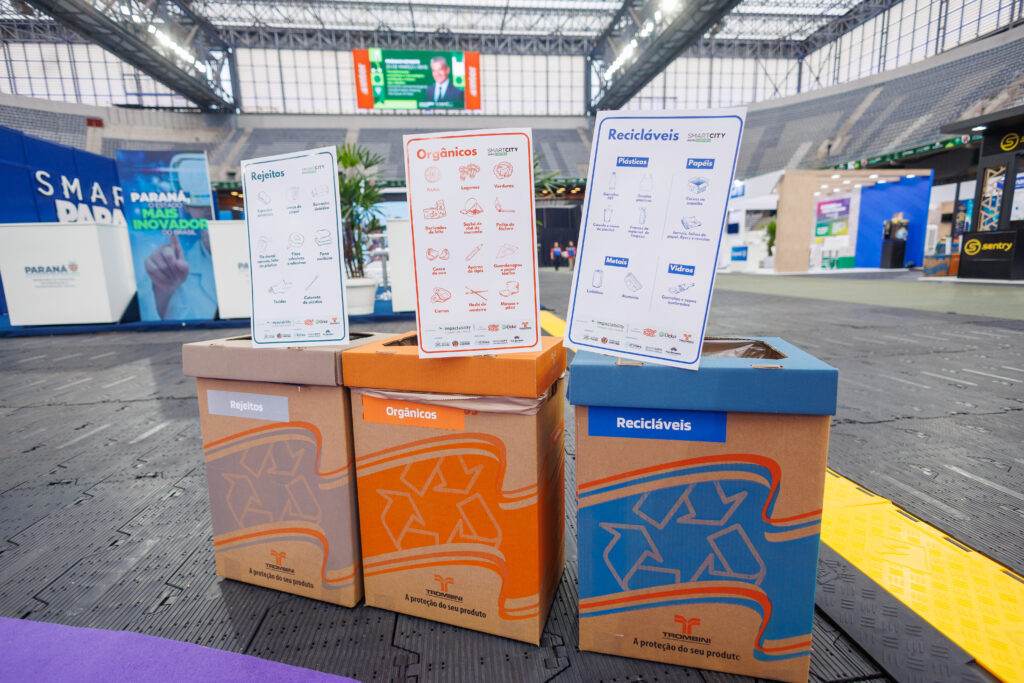
With great pride, I share some of this year’s outcomes: the event achieved 100% carbon neutrality, neutralizing around 2,000 tCO₂e (tons of carbon dioxide equivalent) through carbon credits and the conservation of nearly 80,000 square meters of Atlantic Forest. This compensation is equivalent to the emissions from approximately 400 trips around the globe by car or the annual electricity use of over 300 Brazilian households. We also recycled about 91% of all waste, turning what would have been trash into learning opportunities and useful materials through educational actions such as distributing compost and recycled soap, and ensuring proper disposal of paper, aluminum, plastic, protective covers, wood, and organic waste, preventing significant CO₂e emissions. Single-use items were eliminated at food vendors, encouraging reusable cups and aluminum packaging.
Under the social pillar, we prioritized diversity and inclusion by offering accessible infrastructure, Brazilian Sign Language (LIBRAS) interpreters, real-time translation via QR Code, and strong female representation across multiple stages, especially at the ESG Stage. Through our social ticket program, we collected 4.5 tons of shelf-stable food, resulting in approximately 14,700 meals for APAE Curitiba. We also promoted disability awareness and offered inclusive spaces like the Calm Room and Prayer Room, created to meet the diverse needs of our audience. In terms of inclusive education, we provided scholarships for academic support, ESG and carbon market training, and one full MBA scholarship in Social Entrepreneurship and Impact for a Black community member.
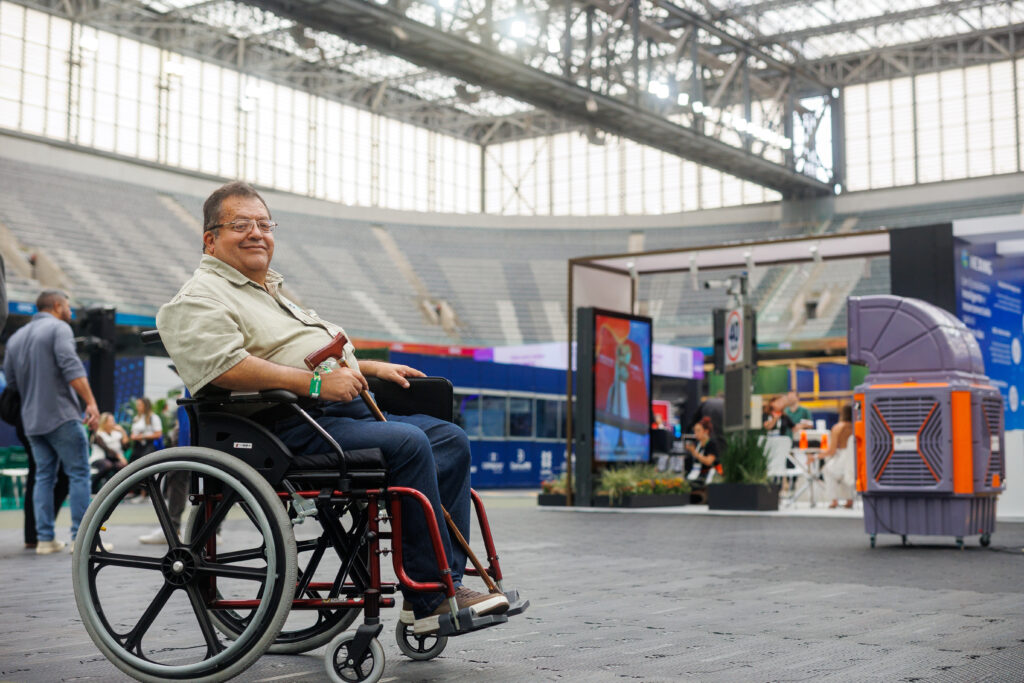
I share these results with great pride, but more importantly, I hope they inspire other entrepreneurs, event organizers, and changemakers to go further when planning their own events. We must acknowledge that we are entering a new era, in which consumers scrutinize not just the final product, but the entire supply chain behind it. In the context of a smart cities event, attendees look beyond the experience itself; they assess how well the message aligns with the actions on the ground.
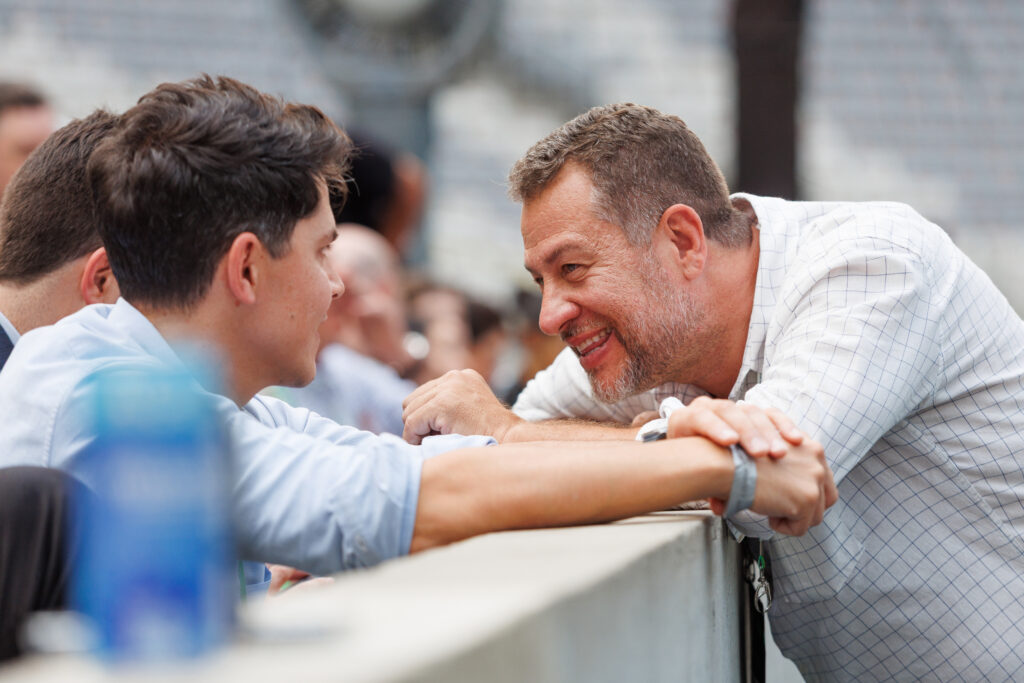
My goal with this article is to issue a call to action on the importance of integrating ESG principles into the planning of large-scale events. By placing ESG at the core of strategic decision-making, we elevate the experience for all stakeholders and send a powerful message: the future is already here. We can no longer ignore environmental challenges, social inequalities, or a civil society that is increasingly aware and demands transparency, ethics, and responsibility from its leaders. Every initiative and every milestone achieved reflects a genuine commitment to building smarter, fairer cities and promoting governance that is more open and accountable than ever. We aim to inspire a collective movement toward a future where smart people build smart cities, always focusing on the happiness and well-being of all citizens.
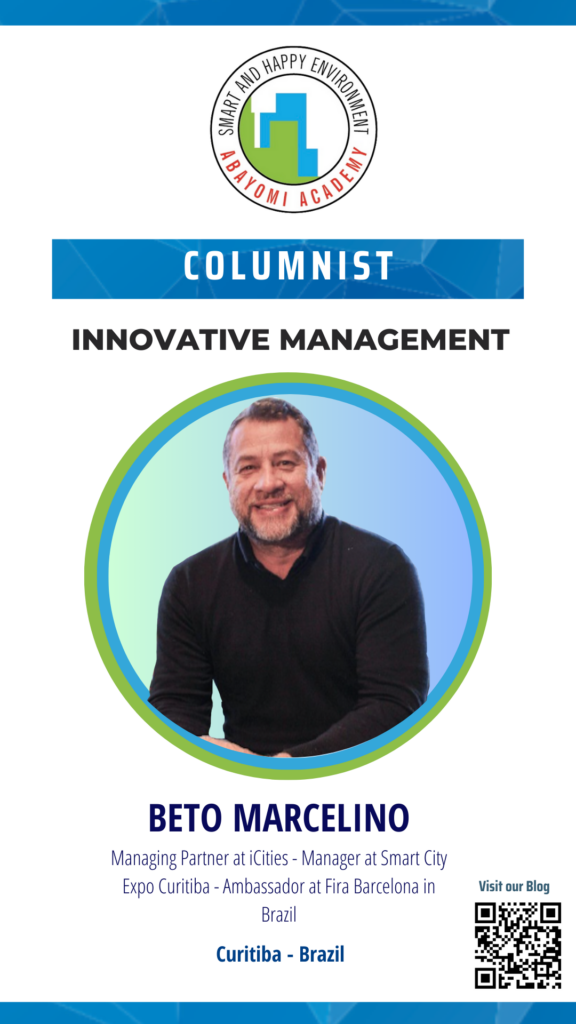
Beto Marcelino is the Managing Partner at iCities, a pioneering Brazilian company in smart cities. He was a contributing rapporteur for the Brazilian Charter for Smart Cities, developed by the Ministry of Regional Development (MDR). Holding a degree in Agronomic Engineering from the Federal University of Paraná (UFPR) and a specialization in Marketing from FAE Business School, he also participated in the Cities 4.0 program of the Ministry of Science, Technology, Innovations, and Communications, helping to shape the National Smart Cities Policy. Additionally, he serves as Manager of Smart City Expo Curitiba and is an ambassador for Fira Barcelona in Brazil.
Social Media:
Instagram: Instagram Instagram
LinkedIn: Beto Marcelino
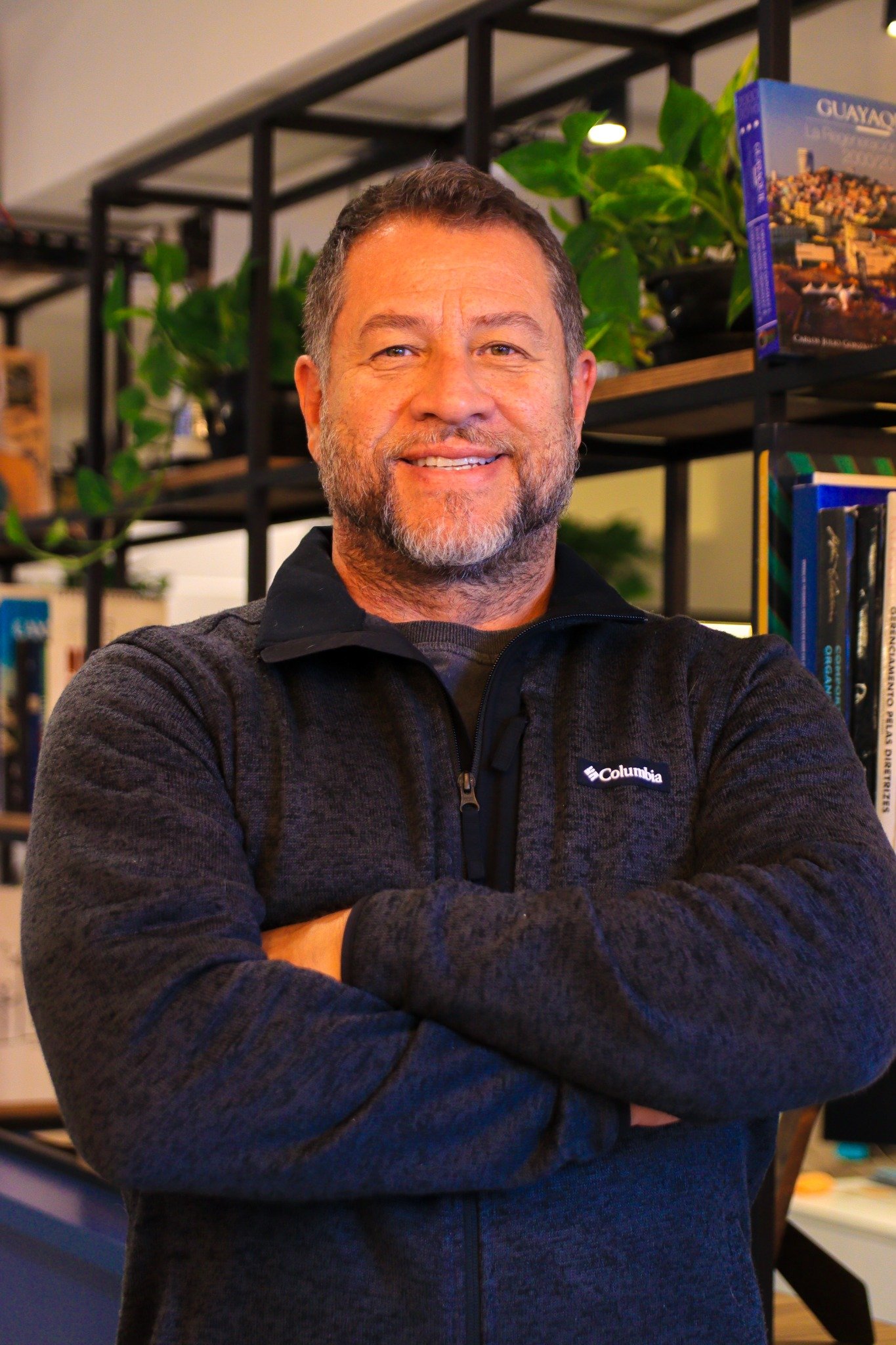
Beto Marcelino serves as Chairman of the Board for iCities Group. He is the co-founder of the Brazilian holding company, a benchmark in the urban innovation and smart cities ecosystem. As a pioneering agent in this field, he was one of the rapporteurs for the Brazilian Charter of Smart Cities, an initiative by the Ministry of Cities, and also participated in the Cities 4.0 program, from the Ministry of Science, Technology, and Innovations (MCTI), contributing to the construction of the National Policy for Smart Cities.
He holds a degree in Agronomic Engineering from the Federal University of Paraná (UFPR), with a specialization in smart cities from Smart City Expert, and an MBA in Marketing from FAE Business School. He is also an ambassador for Fira Barcelona in Brazil, strengthening the connection between global events and the Brazilian urban context.