
By Dhiraj Salhotra
Mumbai, Maharashtra, India, is witnessing an unprecedented increase in the development of high-rise apartments, particularly as an outcome of redevelopment projects. The suburban areas of Mumbai were particularly developed as dormitory towns to house the city’s working class, especially new migrants who could not afford accommodation in the core island city of Mumbai. These affordable projects were in the form of well-planned neighbourhood townships that were usually designed as small apartment blocks with low or medium-rise profiles. Over the years, these buildings have been dilapidated and need redevelopment. The government, sensing the urgent need of the hour have invited developers to undertake large-scale redevelopments and, as an incentive, offered them to build additional floors to offset the cost of construction. Though it offers an opportunity for the local inhabitants to be rehoused without additional costs, the emerging skylines are completely against the carrying capacity, and many are posing a threat to the liveability index of these suburban zones.
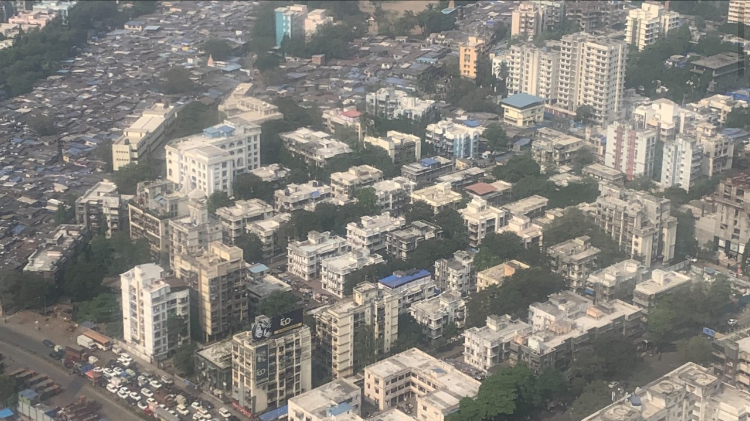
The rapid proliferation of high-rises is putting immense pressure on Mumbai’s already strained infrastructure. Roads are clogged, water and power supplies are stretched thin, and public transport is overburdened. The city’s infrastructure hasn’t kept pace with the frenetic development, leading to daily struggles for residents. Moreover, the surge in high-rise construction is shrinking urban open spaces, further diminishing the quality of life. Parks, gardens, and playgrounds are being replaced by concrete monoliths, leaving residents with limited areas for recreation and social interaction.
The rise of gated communities is another concern. While they offer security and amenities, they also create isolated enclaves, fragmenting the urban fabric and eroding the sense of community. These exclusive neighbourhoods often come with privatised services, further straining the city’s resources. The local bodies have either completely ignored the responsibility to undertake upgradation, maintenance and ensure the inclusivity of the open spaces, leading to either encroachments, barricading, or complete closure of access to these open spaces under the garb of safety issues.
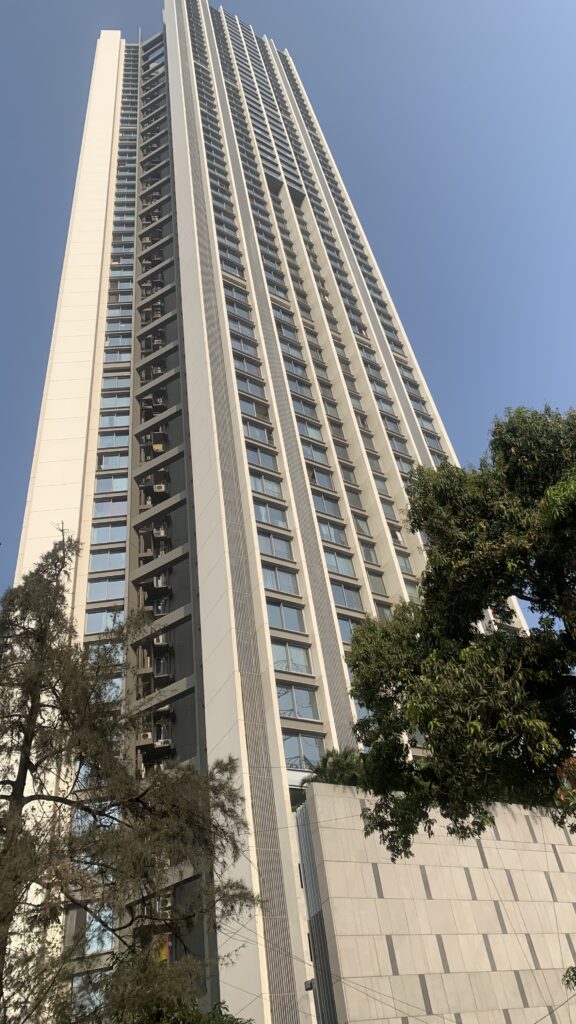
The emerging vocabulary of architectural language is creating a housing stock that is offering compact apartments that are completely disjunct from the ground. As people retreat to their high-rise havens, they’re losing touch with the city’s vibrant street life and community spirit. The relentless pursuit of development is coming at a cost, and it’s time to reassess priorities.
Solutions lie in sustainable urban planning, prioritising public spaces, and investing in infrastructure. Mumbai needs a balanced approach that blends development with liveability, ensuring the city remains vibrant and inclusive for all. The civic authorities are preparing policies for the implementation of smart city initiatives, based on the data that is available. The data sources are outdated and cannot reflect the ground realities. It is in such a scenario that community engagement, participation, and empowerment could take centre stage to document and facilitate accurate data-driven decision-making.
Conclusively, though this article represents a case story from the suburban area of Mumbai, this may also be a reality of many other suburban locations across multiple cities across the globe. The emerging scenario of events outlines the significance of collective wisdom and seeks to invite opinions and reference of similar case studies that have examples of data-driven decision-making and participation of local communities.