By Vanessa Canever
We live in a fast-paced society marked by rising rates of suicide, depression, burnout, anxiety, and other mental health challenges. Globally, over 300 million people of all ages suffer from depression. According to the World Health Organization (WHO), Brazil ranks second in the Americas and fifth worldwide for anxiety disorders. It also has the highest depression prevalence in Latin America. Approximately 30% of Brazilian workers experience burnout symptoms—a state of physical and mental exhaustion linked to work—as reported by the National Association of Occupational Medicine (Anamt). Studies suggest that 70% of employees worldwide have faced burnout at some point in their careers.
The first step to addressing any problem is recognition. However, the insidious nature of work-related mental disorders complicates this process. Symptoms often emerge subtly, masquerading as temporary fatigue or discouragement.
Key indicators of compromised mental health include:
- Persistent fatigue unrelieved by rest
- Difficulty disconnecting from work, even during time off or vacations
- Sleep disturbances (insomnia or excessive drowsiness)
- Increased irritability or disproportionate emotional reactions
- Loss of interest in previously enjoyable activities
- Recurrent physical issues, such as headaches, digestive problems, frequent colds, or muscle tension
- Feelings of inadequacy, despite objective success
- Social withdrawal from colleagues and family
- Impaired concentration and memory
These symptoms are frequently rationalized: “It’s just a phase,” “I’ll recover after vacation,” or “I didn’t sleep well.” Such justifications delay seeking help. The critical distinction lies in whether these experiences are occasional or recurring.
At Potenciologia, we emphasize recognizing and cultivating internal strengths to rebuild mental resilience. During crises, individuals often fixate on weaknesses, overlooking the resilience they’ve demonstrated in past challenges:
1. Reconnecting with resilience narratives
Reflect on past challenges you’ve overcome. These memories reactivate internal resources and reinforce self-efficacy.
2. Mapping strengths and skills
Identify core competencies and adapt them to current challenges. Skills that succeed in one context often hold solutions for new obstacles.
3. Reframing experiences
Shift narratives from “I’m suffering” to “I’m growing.” Interpretation shapes emotional responses.
Beyond symptom management, addressing root causes is vital. Burnout or anxiety often masks deeper issues. For instance:
- A professional fearing layoffs may unconsciously provoke family conflicts to release tension.
- Someone feeling career stagnation might project frustration onto colleagues through chronic impatience.
Understanding these patterns involves:
- Identifying unspoken expectations (e.g., unrecognized achievements).
- Acknowledging fears (e.g., fear of failure or replacement).
- Recognizing behavioral cycles and their true motivations.
Given this context, what practical steps can we take to preserve and strengthen mental health in the workplace? Potenciologia suggests focusing on three aspects: thoughts, emotions, and actions, to assess whether they are positive or negative, and provides specific tips:

For Individuals:
- Practice Conscious Self-Observation
Establish regular “check-ins,” identifying early signs of negative thoughts, exhaustion, anxiety, or any distressing emotion before they become problematic. - Set Clear Boundaries
Define healthy limits between work and personal life, including digital disconnection times and moments for energy restoration. - Cultivate Supportive Relationships
Develop a support network in both professional and personal environments, with people who can share challenges and provide honest, growth-oriented feedback. - Seek Professional Help
Recognizing that seeking professional support is not a sign of weakness but rather of emotional intelligence and responsible self-care.
For Leaders:
- Encourage a trust-based environment – Be accessible and show empathy when listening to employees’ concerns.
- Practice open communication – Establish regular check-ins to understand the team’s well-being.
- Manage expectations realistically – Avoid overburdening staff, delegate tasks fairly, and adjust demands as needed.
- Model self-care – Demonstrate the importance of balance by taking breaks and respecting rest periods.
- Educate themselves on mental health – Seek training and information to recognize burnout signs and support the team effectively.
For Organizations:
- Create Safe Spaces – Establish anonymous channels or support groups where employees can express difficulties without fear.
- Review Work Policies – Evaluate workload, goals, and deadlines to ensure they are sustainable and do not promote excessive stress.
- Offer Structured Support – Implement wellness programs, psychological assistance, and emotional management training.
- Foster a Culture of Respect – Raise awareness at all levels of the company about the importance of mental health.
At Potenciologia, we have a Potentialities Program that maps employees’ potential and satisfaction in performing their tasks, anticipating possible mental health issues, helping in work organization, and fostering personal development based on their strengths.
The increase in work-related mental health issues is a complex challenge that requires both individual and collective attention. We believe that the ultimate goal is not just to avoid burnout or manage anxiety but to create conditions for each person to fully express their unique potential, finding meaning and fulfillment in their professional journey.
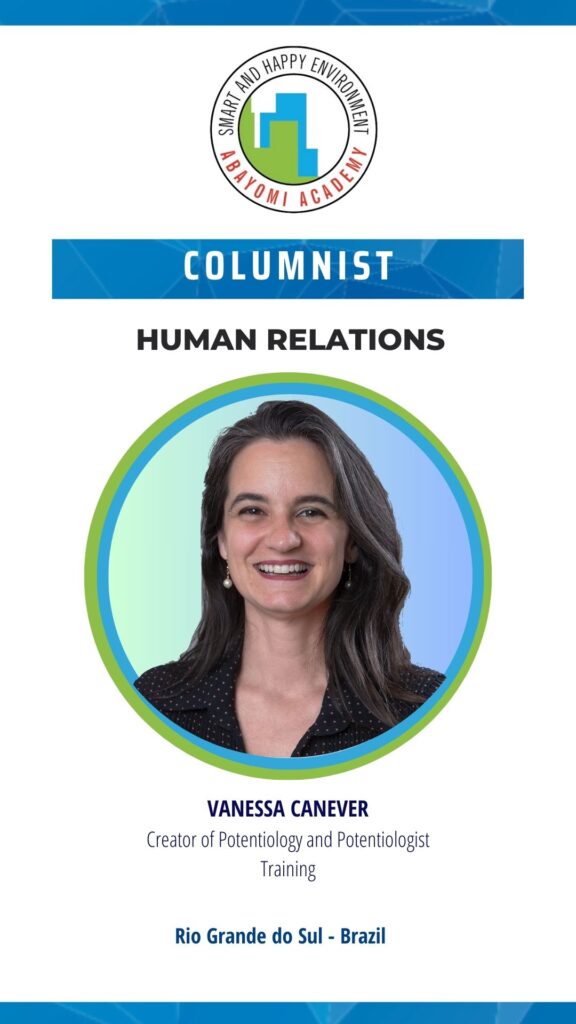
Creator of Potentiology and Potentiologist Training. Master’s Degree in Education. Postgraduate in people management, business pedagogy, group dynamics, and distance learning. Specialist in Emotional Intelligence and agile methods. Works with human potential and the development of people so that they can achieve better results, in the shortest possible time, and in a light way.