By Patrícia Fraga
After a brief pause in our series of reflections on the pillars of the Abayomi Methodology for Smart and Happy Cities, we are resuming this cycle, continuing from the topic covered in July, which focused on human relationships. We now move on to a pillar directly connected to all the previous ones: health and well-being. After all, there can be no healthy human relationships, conscious citizenship, or truly intelligent environments without deeply considering the impact that spaces have on people’s health.
In the Abayomi Methodology, health and well-being are understood in an integrated way. The environments we inhabit—cities, homes, workplaces, schools, hospitals, and leisure spaces—directly influence our physical, mental, emotional, and social health. These environments are not neutral. Depending on how they are designed, built, managed, and used, they can contribute to balance and quality of life or, on the contrary, generate stress, illness, and disconnection.
Neuroscience has deepened our understanding of the close relationship between the environments we inhabit and our health. The brain continuously responds to stimuli present in the space: light, colors, sounds, scents, organization, the presence or absence of natural elements, and even how we move within these environments. Nature, in particular, has a significant effect: trees, plants, gardens, and green areas are perceived by the brain as signals of safety and tranquility, promoting emotional balance. Spaces that incorporate natural light, organization, green areas, and opportunities for pause stimulate positive responses, reducing stress, fostering relaxation, and strengthening physical and mental well-being. Conversely, chaotic, noisy, dark, or disorganized environments tend to trigger alert mechanisms, generating tension and emotional overload.
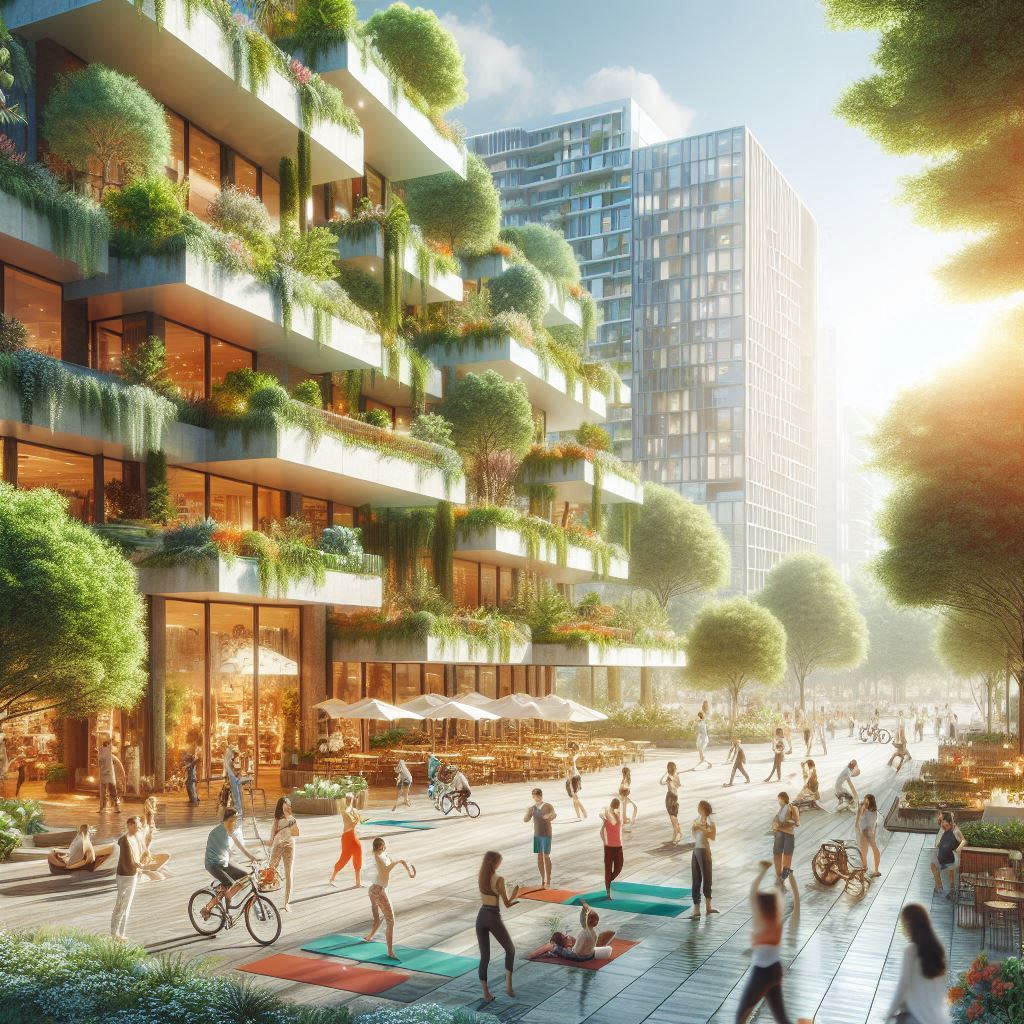
Moreover, healthy environments consider factors such as thermal, acoustic, and visual comfort, air quality, access to water, safety, and accessibility. When these elements are neglected, the impacts can manifest in various ways: fatigue, difficulty concentrating, anxiety, sleep disturbances, and respiratory problems. For this reason, professionals who plan, design, and manage spaces need to understand this direct connection between environment, brain function, and health, ensuring that every detail contributes to the quality of life of those who use these spaces.
It is based on this understanding that Abayomi developed the concept of the “Healing House”, which has expanded into the idea of “Healing Environments.” This approach considers spaces as active allies in health, capable of supporting recovery, prevention, and balance. Attention to lighting, ventilation, thermal and acoustic comfort, choice of materials, spatial organization, contact with nature, and the conscious use of technology directly impacts well-being.
Technology must be used in a balanced way. Smart and happy environments do not reject technology but understand that excessive or inappropriate use can affect physical and mental health. Wi-Fi signals, mobile devices, electrical radiation, and constant device usage impact brain function, sleep, concentration, and stress levels. The goal is to balance what is necessary with what is best for health: young children do not need mobile phones; during sleep, Wi-Fi often does not need to be active; completely dark environments during the day, common in adolescents’ bedrooms, can disrupt biological rhythms and impair cognitive and emotional functions.
Managers, built environment professionals, and users share responsibility in this process. Designing and managing spaces that care for people requires technical knowledge, human sensitivity, and ethical decisions. At the same time, the conscious use of spaces and technology is also an individual and collective choice.
In the Abayomi Methodology, promoting health and well-being means creating environments that respect human limits, foster balance, strengthen community life, and incorporate nature as an element of healing and tranquility. Smart and happy environments are those that intentionally care for people, integrating science, empathy, conscious management, and collective responsibility. By placing health, well-being, and connection with nature at the center of decisions, we build cities and organizations that are more human, sustainable, and truly happy.
Patrícia Fraga, a visionary and dynamic professional, holds a Ph.D. in Architecture, blending her passions for sustainable urbanism, education, and technology. With a multifaceted career spanning engineering, construction, and academia, she’s the Founder and Chief Happiness Officer at Abayomi LLC and Executive Director at Abayomi Academy. Dr. Fraga’s global influence extends through her roles as an international speaker, published author, and advocate for Smart & Happy Environments. Her commitment to cultural inclusivity shapes transformative projects worldwide, emphasizing the integration of technology with environmental responsibility. A mother of five, Dr. Fraga’s journey reflects resilience, innovation, and a dedication to creating positive, sustainable, and joyful living spaces across the globe.
Follow her social media: Facebook Instagram Youtube LinkedIn

A visionary and dynamic professional, Dr. Fraga holds a PhD in Architecture and combines her passions for sustainable urbanism, education, technology, and promoting happiness. Architect and Urban Planner, PhD in Architecture and PhD/ABD in Education, with over 30 years of academic and professional experience. My work integrates smart cities, human-centered happiness, education, knowledge management, and emergency management and preparedness, connecting design, technology, and strategy to build intelligent, resilient, and sustainable environments. As a pioneer in Smart & Happy Cities, I develop frameworks that align urban planning, citizen engagement, and innovation to strengthen communities and enhance collective well-being. With expertise in AI-enhanced research, higher education development, curriculum design, and institutional planning, I contribute to more effective decision-making and future-ready organizations. I also provide consulting for institutions, professionals, and families seeking forward-thinking solutions in intelligent environments, educational innovation, resilience planning, and AI-integrated research — guided by the belief that we can only be fully happy in the collective.