By Dr. Malihe Taghipour
Green corridors and wellness refer to the integration of parks, trees, and shaded pathways into urban walking routes, aiming to advance environmental sustainability and public health. These linear green spaces are increasingly regarded as essential components of contemporary urban planning. They function as ecological networks that promote biodiversity, improve air quality, and encourage healthier, more active lifestyles. As urban areas continue to expand, green corridors help mitigate the negative effects of urbanization, such as heat islands and pollution, while also serving as communal spaces that enrich daily urban experiences (1, 2). The rationale for green corridors rests on multiple, interlocking benefits that span environmental, health, economic, and social dimensions.
Environmentally, green corridors expand urban green space and connect fragmented habitats, enabling greater biodiversity. By creating linked habitats across the urban matrix, these corridors support movement and genetic exchange among plant and animal species, contributing to more resilient urban ecosystems. They also contribute to climate resilience by cooling heat islands and filtering air pollutants, particularly fine particulate matter, which poses risks to respiratory health. In addition, by facilitating non-polluting transportation modes—walking, cycling, and micro-mobility options—green corridors reduce noise and vehicle emissions, further improving urban air quality (1, 2, 6, 7, 8, 9). The environmental value of green corridors thus lies in integrating nature into the built environment to sustain ecological processes while enhancing urban livability.
Health and well-being sit at the heart of the green corridor concept. Access to green spaces encourages physical activity, aiding in weight management and reducing the risk of chronic diseases such as cardiovascular disease and diabetes (10, 11, 8). Exposure to natural environments is also associated with reduced stress, improved mood, and enhanced mental well-being, contributing to broader psychological health. Studies indicate that time spent in green spaces can correspond with lower obesity rates and fewer respiratory conditions, including asthma (6, 13). The health case for green corridors emerges from the synergy between improved environmental conditions and opportunities for active living, alongside the restorative effects of nature on mental health (5, 12).
Economically, green corridors can attract visitors and support local businesses, contributing to the vitality of surrounding communities (9). Investments in green infrastructure generate jobs in park maintenance, landscaping, and environmental restoration, boosting the local economy and potentially raising property values. However, a critical caveat is the need to distribute economic benefits equitably to prevent displacement and ensure broad access to corridor-related amenities (9). Without deliberate measures to address equity, green corridor projects risk exacerbating existing social divides through unintended gentrification and unequal benefit distribution (7, 8, 9).
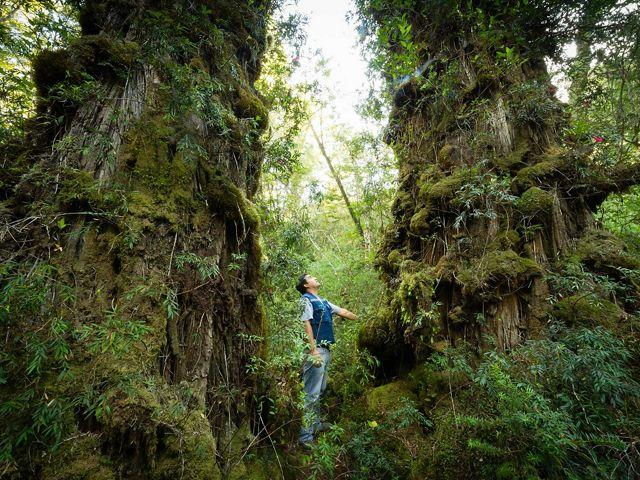
Socially, green corridors foster cohesion and quality of life by providing spaces for leisure, culture, and environmental education. They function as multi-use public spaces that support recreational activities, community programming, and opportunities for social interaction. By strengthening connections between urban residents and nature, these corridors contribute to healthier, more inclusive cities and support resilient communities capable of withstanding social and environmental stresses (2, 9).
Design principles and practical considerations guide successful implementation. A guiding framework emphasizes balancing aesthetics with function, ensuring safe pedestrian and bicycle access, selecting appropriate plant species, and incorporating stormwater management features. Safety, security, lighting, and maintenance are essential to keep corridors welcoming and usable for residents and visitors alike (14). The overall design ethos supports active transportation as a core objective: extensive networks of pedestrian and cycling paths encourage physical activity, reduce car reliance, and improve air quality and carbon outcomes (14, 15).
Community engagement in design is highlighted as critical for creating relevant, effective green corridors. Collaborative design approaches harness local knowledge and perspectives, enabling contextually appropriate solutions. Involving communities increases legitimacy, ownership, and long-term sustainability, and is especially important for climate action initiatives that require broad social buy-in (15). Integrating natural elements is a central component of biophilic urban design. The goal is to maximize natural light, provide views of greenery, and create pathways conducive to walking and cycling, thereby weaving nature into daily life and supporting biodiversity while enhancing well-being (16, 5).
Enhancing biodiversity remains a fundamental objective. Well-planned corridors connect fragmented green spaces, creating cohesive urban ecosystems that support flora and fauna and promote ecological resilience in the face of climate change (5). This connectivity is intended to sustain biodiversity and provide spatial opportunities for education, recreation, and nature-based experiences for urban residents.
Historical context and emergence
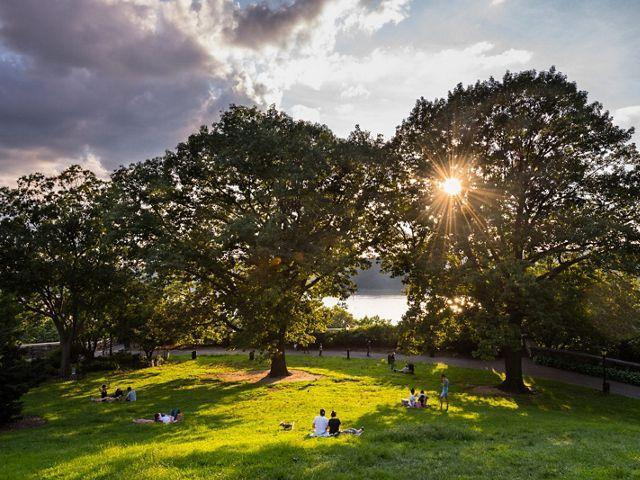
The concept of green corridors has evolved from aesthetically oriented green spaces to infrastructure with ecological, social, and health purposes. Early urban greenery focused on leisure and beauty, but as urbanization intensified and environmental challenges grew, planners recognized the broader benefits of green spaces. In the late 20th century, green corridors gained prominence as essential urban infrastructure, with advocates arguing for linear green spaces to connect habitats and improve urban air quality. This shift aligned with global development agendas, including the New Urban Agenda and the United Nations Sustainable Development Goals, which emphasize green infrastructure as a core element of sustainable urban planning (1, 2, 3).
Cultural significance and heritage
Cultural heritage management has influenced corridor development. Cities seek to integrate historical landscapes with contemporary urban needs, and preserving traditional green spaces has become vital. These spaces often symbolize cultural identity and community history, fostering a sense of place while delivering ecological benefits. The rediscovery of cultural values surrounding green spaces has encouraged their incorporation into urban design, linking past and present sustainability efforts (3, 2). This orientation demonstrates how cultural context can inform modern biophilic design and green infrastructure strategies.
Modern applications and holistic planning
Today’s green corridors are recognized for their multifaceted benefits, including enhanced livability and climate resilience. They are treated as ecological networks that enable species movement and genetic exchange while also serving as vibrant public spaces. This dual role reflects a holistic approach to city planning that prioritizes ecological health alongside community wellness, demonstrating a shift toward urban spaces that integrate nature into daily life (4, 5).
Operational notes and caveats
The summarized text notes that benefits can vary by city, climate, and the quality of implementation. Equity and accessibility are highlighted as central concerns; without deliberate equity measures, improvements may disproportionately benefit wealthier areas, worsening social disparities and gentrification. The realization of green corridors often requires cross-sector collaboration among urban planners, public health officials, environmental groups, and communities to secure durable funding and align goals (notes in the source).
In sum Green corridors embody a forward-looking, integrated approach to urban design, seeking to harmonize ecological health with human well-being. By weaving parks, trees, and shade into everyday walking routes and public spaces, cities can advance sustainability, livability, and social equity while building resilience against environmental and social challenges. The overarching aim is to create inclusive, vibrant urban environments where residents can walk, learn, and connect with nature on a daily basis (11, 12).

Dr. Malihe Taghipour is an associate professor of architecture with over 15 years of experience in design and academia. She specializes in environmental psychology, focusing on how spatial design fosters social interaction. Her research explores how spaces can strengthen connections between people and their environment. Recently, she has incorporated energy efficiency into her studies, examining how sustainability influences human perception. By integrating social and environmental concerns, her work aligns with Abayomi Academy’s mission to promote innovative, human-centered, and sustainable architectural solutions.
Get to know more about her: LinkedIn
Reference:
[1] Aman A, Rafiq M, Dastane O and Sabir AA (2022) Green corridor: A critical perspective and development of research agenda. Front. Environ. Sci. 10:982473. doi: 10.3389/fenvs.2022.982473
[2] https://greencorridor.ca/examples-of-green-corridors/
[3] Xia Y (2023) Impact of green space on residents’ wellbeing: A case study of the Grand Canal (Hangzhou section). Front. Public Health 11:1146892. doi: 10.3389/fpubh.2023.1146892
[4] https://www.froggyforts.com/blogs/news/innovative-strategies-to-integrate-urban-wildlife-corridors-into-existing-cityscapes
[5] https://prism.sustainability-directory.com/scenario/enhancing-urban-biodiversity-through-green-corridors/
[7] Lopez-Haro, J., Jacobo Gómez-Chávez, L. F., Pelayo-Zavalza, A. R., & Gómez-Varela, J. F. (2024). Association between Active Use of Urban Green Spaces and Well-Being in Adults Aged 18–65 Years: A Systematic Review. Journal of Health and Pollution, 12(1-4), 016002. https://doi.org/10.1289/JHP1040
[8] https://dnr.wisconsin.gov/topic/urbanforests/conference
[9] https://prism.sustainability-directory.com/scenario/socio-economic-equity-and-access-to-urban-green-corridors-planning/
[10] Wilson J, Xiao X. The Economic Value of Health Benefits Associated with Urban Park Investment. Int J Environ Res Public Health. 2023 Mar 9;20(6):4815. doi: 10.3390/ijerph20064815. PMID: 36981724; PMCID: PMC10049315.
[11] Atiqul Haq SM, Islam MN, Siddhanta A, Ahmed KJ and Chowdhury MTA (2021) Public Perceptions of Urban Green Spaces: Convergences and Divergences. Front. Sustain. Cities 3:755313. doi: 10.3389/frsc.2021.755313
[12] https://cnr.ncsu.edu/news/2022/04/parks-green-spaces-improve-health/
[13] https://ausisjournal.com/2024/05/10/the-public-health-implications-of-urban-green-space/
[14] Fateen Nabilla Rasli, Mohammad Lui Juhari, Aajirah Hanim Abdul Halim (2024). Green Corridors in Coordinating and Supporting SDG 11: Sustainable Cities and Communities. International Journal of Research and Innovation in Social Science (IJRISS), 8(12), 1053-1071. https://doi.org/https://dx.doi.org/10.47772/IJRISS.2024.8120089
[15] https://climate.sustainability-directory.com/question/why-is-community-engagement-important-for-corridors/